

A live picture of the infrastructure, logistics and trade facilitation opportunities attracting attention across Mozambique’s coast, corridors and hinterlands.
Ports and maritime
Mozambique’s coastline remains one of its strongest strategic advantages, but the opportunity now goes well beyond port throughput alone. From the Port of Maputo concession extension and expansion programme to the Port of Nacala integrated expansion and development concession, the market is moving toward larger, more competitive gateway platforms with stronger regional reach. At the same time, the evolving cabotage and maritime services opportunity is opening new space for coastal shipping, marine support services and LNG-linked logistics along the national coast. Together, these developments position ports and maritime as a central pillar of Mozambique’s regional gateway competitiveness, seaborne efficiency and wider logistics growth story.
Rail Corridors
Mozambique’s coastline remains one of its strongest strategic advantages, but the opportunity now goes well beyond port throughput alone. From the Port of Maputo concession extension and expansion programme to the Port of Nacala integrated expansion and development concession, the market is moving toward larger, more competitive gateway platforms with stronger regional reach. At the same time, the evolving cabotage and maritime services opportunity is opening new space for coastal shipping, marine support services and LNG-linked logistics along the national coast. Together, these developments position ports and maritime as a central pillar of Mozambique’s regional gateway competitiveness, seaborne efficiency and wider logistics growth story.
Roads, borders and corridor efficiency
Roads and border systems remain indispensable to the regional cargo chain, especially where delays, weak links and inconsistent processes still keep logistics costs high. Mozambique’s National Road 1 rehabilitation programme, the N4 Maputo Development Corridor rehabilitation programme, Ressano Garcia/Lebombo border efficiency measures and Nacala corridor trade facilitation work all reflect the practical interventions needed to reduce friction and improve end-to-end performance. These are not stand-alone transport upgrades. They are essential competitiveness measures that can improve freight predictability, reduce delay, strengthen corridor resilience and lower the total cost of moving goods between ports, inland markets and neighbouring countries.
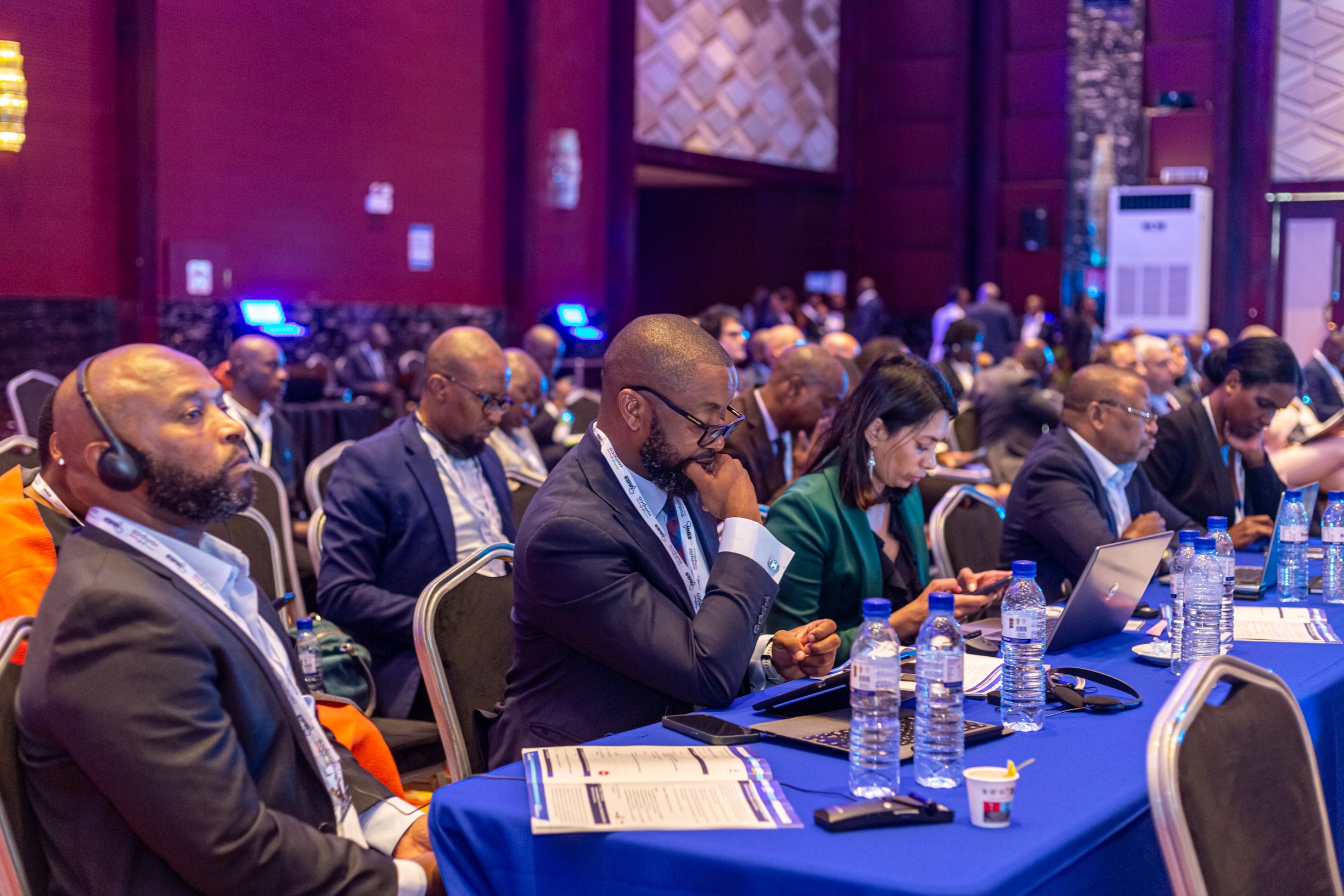
Join the conversation in Maputo and connect directly with the people shaping the market
Logistics hubs and industrial platforms
Corridors create more value when cargo can be consolidated, cleared, stored, processed and distributed through strong inland logistics ecosystems. That is why projects such as the Dondo Dry Port and Inland Logistics Terminal, CLM and Agility logistics activity in Maputo province, and Cabo Delgado Parks matter so much. Together, they illustrate how Mozambique can bridge corridor traffic with inland commerce, warehousing demand, supplier clustering and industrial growth. This category is about more than real estate or storage capacity. It is about building the logistics hubs, dry ports and industrial platforms that can capture more value inside the country, support local enterprise participation and turn transport flows into broader commercial and productive opportunity.
Aviation, digital systems and mobility
Mozambique’s transport opportunity is not limited to traditional hard infrastructure. It also depends on the smarter systems and urban networks that improve speed, visibility, access and operational efficiency. The Airport Cargo Community System for Mozambique Airport Handling Service, airport cargo-chain upgrades, the Janela Única Electrónica upgrade pathway and Move Maputo all point to a broader market shift. From air cargo visibility and border digitalisation to metropolitan mobility and service integration, these initiatives show how technology, coordination and modern transport systems can improve trade performance and daily movement alike. Together, they reinforce the case for a more connected, efficient and investment-ready transport ecosystem.